
Please Choose Your Language
Views: 0 Author: Site Editor Publish Time: 2026-04-08 Origin: Site


Induction heating has become one of the most efficient methods for generating heat in industrial applications. Among the various tools that utilize induction technology, the induction hot air generator stands out as an extremely versatile and effective device for providing hot air in a range of industries. From our experience at Guangdong Jiangxin Electronic Technology Co., Ltd., we have seen how these systems can provide precise and energy-efficient heating solutions for different sectors, including food processing, packaging, and manufacturing. The application of induction heating technology in hot air generators is revolutionizing how industries approach drying, curing, and heating processes.
An induction hot air generator is a system that uses induction heating to generate hot air for a variety of industrial applications. Induction heating works by generating an electromagnetic field that heats a metal conductor, which in turn heats the air or material around it. This method is highly efficient and offers rapid heating, which is ideal for environments that require precise temperature control and consistent output.
Key components of induction hot air generators include:
Component | Function |
Induction coil | Generates electromagnetic field |
Metal conductor | Absorbs the energy and generates heat |
Air distribution system | Circulates hot air into the environment |
Control system | Regulates temperature and operational settings |
The system is designed to deliver rapid and uniform heating, reducing energy consumption and improving productivity. Its applications are widespread in various industries, where heating is required for drying, curing, or processing materials.
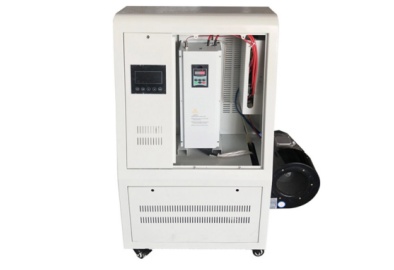
Induction hot air generators are versatile tools widely used in industries where efficient, rapid, and precise heating is essential. By utilizing induction heating technology, these generators provide a reliable method for heating air, which can then be directed to the material requiring processing. Below, we delve into the key applications of induction hot air generators, highlighting their importance across various industries.
One of the primary uses of induction hot air generators is in industrial drying processes. These generators heat the air, which is then directed over materials, significantly speeding up the evaporation of moisture. This is particularly useful in industries where large volumes of materials—such as textiles, food products, and wood—need to be dried efficiently and uniformly.
The ability to precisely control the temperature and airflow ensures that moisture is removed effectively without compromising the quality or integrity of the material being processed.
Industries benefiting from induction drying include:
· Textile manufacturing: After fabrics are treated or dyed, they require efficient drying. Induction hot air generators help ensure quick drying without causing color fading or fabric damage.
· Food processing: Drying fruits, vegetables, meats, or even herbs after processing ensures that products are preserved longer and are ready for packaging or distribution.
· Woodworking: Wood products such as planks, veneers, and MDF boards are often treated with moisture, which requires drying before further processing. Induction heating offers a faster, more energy-efficient method compared to traditional drying systems.
Key Advantages of Induction Hot Air Generators in Drying
· Precision Temperature Control: Ensures uniform drying, preventing the risk of over-drying or uneven moisture removal.
· Energy Efficiency: Induction heating consumes less energy than traditional drying methods by directly heating the air, rather than relying on other energy sources.
· Faster Drying: The rapid heating and precise airflow reduce the overall time required to dry materials, boosting operational efficiency.
Induction hot air generators are extensively used in industries requiring curing processes, such as paint drying or coating hardening. These systems help efficiently dry and harden coatings applied to materials, which is critical for improving the durability, finish, and performance of the final product. Faster curing times are essential for industries looking to increase throughput without sacrificing product quality.
Induction heating technology is particularly effective in curing paints and coatings because it can quickly and evenly distribute heat across the surface, ensuring uniform curing without the risk of overexposure to heat.
Industries benefiting from induction curing include:
· Automotive industry: Curing paint on vehicle parts or full vehicles ensures that the paint is fully set, providing a durable and long-lasting finish. Induction generators provide precise and rapid heating to speed up production times.
· Electronics manufacturing: Protective coatings on circuit boards or metal components require efficient curing. Induction heating accelerates this process, reducing production time while ensuring high-quality results.
· Furniture production: Speeding up the curing of wood finishes or lacquers helps manufacturers meet demand quickly, ensuring that products are ready for sale or shipping in less time.
Benefits of Using Induction Heating for Curing
· Faster Curing: The quick response time of induction heating reduces curing time significantly, improving efficiency.
· Energy Savings: Induction heating minimizes energy loss by directly heating the material or coating, making it a more efficient choice.
· Uniform Results: Ensures consistent curing across the entire surface without the risk of over-heating certain areas.
In the packaging industry, induction hot air generators are used for processes like sealing and shrinking, particularly for shrink-wrap packaging. The heated air is directed at materials such as plastic films or shrink-wrap, creating a tight seal around products. This is crucial in industries like food and beverage, consumer goods, and pharmaceuticals, where packaging integrity is vital.
Key benefits of induction hot air generators in packaging:
· Faster Sealing: The application of heat is quick, reducing the time it takes to seal packages and improving overall packaging efficiency.
· Uniform Results: Induction generators provide even heat distribution, ensuring that every package is sealed consistently and securely.
· Energy Efficiency: Induction heating uses less energy compared to traditional methods, contributing to lower operational costs in packaging plants.
Induction hot air generators allow businesses to meet high-volume packaging demands while minimizing the risk of defects or poor-quality seals.
Soldering and brazing processes in the metalworking industry require precise and consistent heat application to melt filler material and create strong joints between metals. These processes are crucial for manufacturing components in the electronics, automotive, aerospace, and general industrial sectors. Induction hot air generators are used to heat the joint area uniformly and efficiently, ensuring reliable and durable metal connections.
Industries benefiting from soldering and brazing include:
· Electronics manufacturing: Soldering components onto circuit boards requires precise heat control to avoid damaging delicate components.
· Automotive industry: Brazing parts like radiators and exhaust systems requires heat treatment that doesn't affect the structural integrity of surrounding materials.
· Aerospace: Soldering and brazing metal components used in aircraft and machinery demands the highest standards of heat application to prevent failure in critical parts.
Using induction hot air generators for soldering and brazing offers several advantages:
· Rapid Heating: Quickly heats the joint area to the required temperature, improving process speed.
· Uniform Heat Distribution: Ensures consistent temperature across the joint, which is essential for strong, reliable bonds.
· Reduced Risk of Overheating: Precise heat control minimizes the risk of damaging surrounding materials.
One of the primary advantages of induction hot air generators is their energy efficiency. Unlike traditional heating methods that use direct flame or electrical resistance, induction heating directly converts electrical energy into heat through electromagnetic induction, minimizing waste and energy loss.
Induction hot air generators heat air rapidly and provide precise temperature control. This makes them ideal for industrial processes that require quick turnaround times, such as drying, curing, or soldering. The ability to control temperature to the exact degree helps reduce the risk of material damage or inconsistencies.
Compared to traditional heating methods, induction heating is more environmentally friendly. It reduces emissions and allows for better control over energy usage, helping industries meet environmental regulations and sustainability goals.
An induction hot air generator is an essential tool for many industries where efficient, fast, and precise heating is required. Whether used for drying, curing, soldering, or packaging, these generators provide numerous benefits, including energy efficiency, consistent heating, and faster process times. From our experience at Guangdong Jiangxin Electronic Technology Co., Ltd., we can confidently say that adopting induction heating technology can significantly improve operational efficiency and product quality.
If you are looking for high-performance induction hot air generators that are tailored to meet your specific needs, feel free to reach out to us at Guangdong Jiangxin Electronic Technology Co., Ltd. Our team of experts is always ready to provide personalized advice and help you find the best solution for your business.
Induction hot air generators are used in industries such as food processing, packaging, metalworking, and electronics for applications like drying, curing, soldering, and packaging.
It works by using electromagnetic induction to generate heat within a metal conductor, which in turn heats the air and distributes it to the required area.
Key benefits include energy efficiency, fast heating, precise temperature control, and environmentally friendly operation.
Yes, they can be used for outdoor applications such as drying products or curing materials on-site, as long as the unit is protected from environmental factors like moisture.


