
Please Choose Your Language
Views: 0 Author: Site Editor Publish Time: 2026-03-31 Origin: Site


In today’s fast-paced world, energy efficiency has become a central concern for businesses and households alike. When it comes to industrial equipment, this concern is even more pronounced due to the heavy power consumption of machines. One piece of equipment that has gained considerable attention for its energy-saving potential is the induction hot air generator. These generators are commonly used for heating applications in various industries, including food processing, manufacturing, and chemical industries. But, as with any electrical appliance, an important question arises: does an induction hot air generator use a lot of electricity?
At Guangdong Jiangxin Electronic Technology Co., Ltd., we specialize in the design and production of efficient, high-performance induction heating solutions. We understand that the efficiency of an induction hot air generator is a critical factor when making a purchasing decision. In this article, we will explore how induction hot air generators work, their energy consumption, and how they compare to traditional heating methods. We’ll also provide insights into how using one of these generators can lead to significant energy savings.
An induction hot air generator uses electromagnetic induction to generate heat. This process involves the induction of an electric current through a conductor (typically made of copper) within a magnetic field. The current generated by the induction process creates heat in the conductor, which is then transferred to the surrounding air or workpiece.
One of the main advantages of induction heating is that it is a direct method of heating. This means that energy is transferred directly to the material being heated, with minimal heat loss. The efficiency of induction heating is due to this direct transfer of energy, which contrasts with traditional heating methods such as convection or resistance heating, where a significant amount of energy is lost as heat dissipates through the air or material.
Induction hot air generators are known for their high energy efficiency. Compared to traditional heating systems, such as electric or gas-fired heaters, induction generators tend to consume significantly less electricity for the same heating output. The main reason for this energy efficiency lies in the principle of induction heating itself. As mentioned earlier, the direct transfer of energy to the material means that less energy is wasted.
Additionally, modern induction hot air generators are designed with advanced control systems that allow for precise temperature regulation. These systems ensure that only the required amount of electricity is used to maintain the desired heating level, which further reduces energy consumption.
While induction hot air generators are generally more energy-efficient than traditional heating systems, several factors can influence their electricity usage. Understanding these factors is crucial for optimizing energy consumption and ensuring that the generator is operating at peak efficiency.
The size and capacity of an induction hot air generator will play a significant role in its electricity usage. Larger generators with higher capacities will naturally consume more electricity, as they are designed to handle larger heating loads. However, choosing a generator that matches the heating requirements of your operation is essential. Over-sizing a generator for a smaller application will lead to unnecessary energy consumption, while under-sizing it may result in inefficient heating and longer operating times.
The temperature and duration for which the induction hot air generator is used will directly affect its electricity consumption. Higher temperatures require more energy to generate, and longer operating times will lead to increased electricity usage. Properly managing the heating schedule and ensuring that the generator is turned off when not in use can help reduce overall electricity consumption.
Environmental factors, such as the ambient temperature and humidity of the location where the induction hot air generator is being used, can also affect its energy efficiency. For example, if the generator is used in a colder environment, it will require more energy to maintain the desired temperature. Additionally, if the area is poorly insulated, heat loss may occur, leading to higher energy consumption. Proper insulation and temperature control measures can help mitigate these effects.
The efficiency of the induction hot air generator itself is another critical factor in determining its electricity usage. High-quality generators with advanced technology and components will generally consume less electricity than older or lower-quality models. Choosing a generator from a reputable manufacturer, such as Guangdong Jiangxin Electronic Technology Co., Ltd., ensures that the equipment is built to last and optimized for energy efficiency.
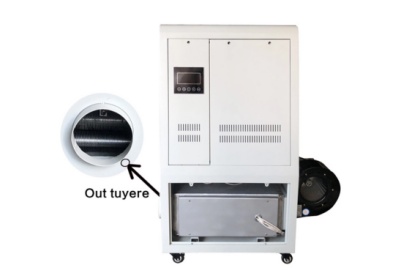
Electric heaters are one of the most common heating methods used in various industries. However, they tend to be less energy-efficient than induction hot air generators. Electric heaters rely on resistance to generate heat, which can lead to significant energy losses, especially if the heater is not properly insulated. Additionally, electric heaters often take longer to heat up a space, leading to higher electricity usage over time.
In contrast, induction hot air generators heat the air directly, making them more efficient in transferring energy. They also require less time to reach the desired temperature, which further reduces energy consumption.
Gas-fired heaters are another alternative to induction hot air generators. While they are often used in industrial settings, they can be less efficient than induction systems due to heat loss through exhaust gases and the need for additional equipment to control the heating process. Gas-fired heaters also require a continuous fuel supply, which can lead to additional costs and environmental concerns.
Induction hot air generators, on the other hand, operate solely on electricity and do not produce harmful emissions. They also tend to have a higher efficiency rate, making them a cleaner and more cost-effective option for long-term use.
While induction hot air generators are already energy-efficient, there are several ways to further minimize their electricity usage and maximize savings.
Ensure that the heating settings are optimized for the specific application. Avoid over-heating the workpiece or using excessive power for a given task. By adjusting the temperature and heating duration to match the needs of the application, you can reduce unnecessary energy consumption.
Regular maintenance is essential for keeping an induction hot air generator running efficiently. Ensuring that the components are clean and free from debris, checking the power supply, and inspecting the insulation will help maintain the generator's efficiency and prevent it from consuming excess energy.
Modern induction hot air generators are equipped with advanced control systems that allow for precise temperature regulation. Utilizing these smart controls to adjust the heating schedule and power settings can help reduce electricity usage while still maintaining optimal performance.
In addition to energy savings, induction hot air generators offer several other advantages:
· Faster heating: Induction generators reach the desired temperature more quickly, reducing operational time.
· Cleaner operation: Since induction heating is free from combustion, it produces fewer emissions and operates more cleanly than gas-fired or electric heaters.
· Precision control: With advanced control systems, induction generators offer precise temperature control, which improves the quality of the heating process.
Heating Method | Energy Consumption | Advantages | Disadvantages |
Induction Hot Air Generator | Low | Efficient, precise, quick to heat | Requires electricity |
Electric Heater | Moderate | Simple to use, low initial cost | Less efficient, energy losses |
Gas-Fired Heater | High | Cost-effective fuel | Requires ongoing fuel, less efficient |
The question of whether an induction hot air generator uses a lot of electricity depends on several factors, including the size of the unit, the operating temperature, and the duration of use. However, compared to traditional heating methods, induction hot air generators are generally more energy-efficient and can significantly reduce electricity consumption. At Guangdong Jiangxin Electronic Technology Co., Ltd., we specialize in creating energy-saving solutions for industries that require reliable and efficient heating. If you are interested in learning more about how our stainless steel mirror cabinet solutions can improve your operations while saving energy, feel free to contact us.
Induction hot air generators are highly energy-efficient compared to traditional heating methods, as they transfer energy directly to the material being heated with minimal heat loss.
You can optimize heating settings, perform regular maintenance, and use smart control systems to reduce energy consumption.
Yes, induction hot air generators are more efficient than electric heaters, as they directly heat the material and waste less energy.
Yes, induction hot air generators are ideal for commercial use due to their efficiency, faster heating times, and minimal maintenance requirements.


