
Please Choose Your Language
Views: 0 Author: Site Editor Publish Time: 2026-03-25 Origin: Site


Induction hot air generators have become an essential component in a variety of industries, including drying, heating, and even sterilization processes. These systems use high-frequency electromagnetic induction to generate heat, which is then circulated by air, providing an efficient and controlled heating method. However, as with any machinery, these systems are not immune to issues that can affect performance, efficiency, and longevity.
At Guangdong Jiangxin Electronic Technology Co., Ltd., we understand the importance of maintaining the operational efficiency of your induction hot air generator. In this guide, we will explore the most common problems these systems face, how they affect performance, and the steps you can take to address them. We’ll also offer tips on how to prolong the lifespan of your hot air generator, ensuring reliable performance for years to come.
Induction hot air generators are widely used for applications that require efficient and controlled heating, including drying processes, sterilization, and other industrial uses. These systems are highly effective, but like any complex machinery, they can face issues that affect their performance, lifespan, and efficiency. Understanding the common problems that can arise with induction hot air generators is essential to troubleshooting and minimizing downtime, ensuring that your system operates smoothly and reliably.
At Guangdong Jiangxin Electronic Technology Co., Ltd., we specialize in providing high-quality induction hot air generators and offer expert advice on how to maintain their peak performance. In this article, we explore the common problems with induction hot air generators, their causes, and effective solutions for each.
Overheating is one of the most common problems encountered with induction hot air generators. When a system overheats, it can lead to a variety of performance issues, including reduced efficiency and potential system failure.
Cause:
· Insufficient airflow: Blocked filters or malfunctioning fans can prevent the necessary airflow to cool the generator.
· Poor heat dissipation: The induction coil or other internal components may fail to dissipate heat properly due to incorrect settings or wear.
· Environmental factors: High ambient temperatures or inadequate ventilation can contribute to overheating.
Solution:
· Regular cleaning of filters: Ensure that filters are cleaned every 1–2 weeks to maintain optimal airflow and prevent overheating.
· Check fans for faults: Fans must be inspected regularly to ensure they are functioning properly. A malfunctioning fan can significantly reduce the cooling capacity of the system.
· Install external cooling systems: For particularly high-temperature environments, additional cooling fans or better ventilation can be added to prevent overheating.
· Follow manufacturer’s guidelines: Make sure that the generator is operating within the correct temperature range specified by the manufacturer.
Inconsistent heating can be problematic, especially in processes that require uniform temperature control, such as drying and sterilization. This issue can cause inefficiencies in the process and impact the quality of the finished product.
Cause:
· Faulty temperature sensors: A malfunctioning temperature sensor or thermocouple can cause inaccurate readings, leading to uneven heat distribution.
· Power supply issues: Inconsistent power supply or fluctuations in voltage can affect the generator’s ability to produce a stable heat output.
· Worn-out heating components: Over time, the heating elements in the generator may degrade, leading to uneven heating.
Solution:
· Inspect temperature sensors: Regularly inspect and replace faulty sensors to ensure accurate temperature readings.
· Ensure stable power supply: A stable and consistent power supply is essential for reliable heating. Invest in voltage regulators or surge protectors to protect the system from fluctuations.
· Maintenance of heating elements: Periodically check and replace worn heating components to maintain consistent performance.
Electrical failures can cause induction hot air generators to malfunction or stop working entirely. These failures are often the result of issues within the control system or power supply.
Cause:
· Voltage fluctuations: Sudden spikes or drops in voltage can damage electrical components.
· Worn-out wiring: Over time, wiring and connections may degrade, leading to electrical shorts or poor performance.
· Malfunctioning control board: A failure in the control board can disrupt the system’s operation, causing a complete shutdown or erratic performance.
Solution:
· Install surge protectors: Protect the generator from voltage fluctuations with surge protectors that stabilize the electrical supply.
· Inspect wiring and connections: Regularly check wiring for signs of wear or corrosion and replace any damaged connections.
· Professional maintenance: Have a qualified technician inspect and maintain the control board and replace any faulty components before they cause significant issues.
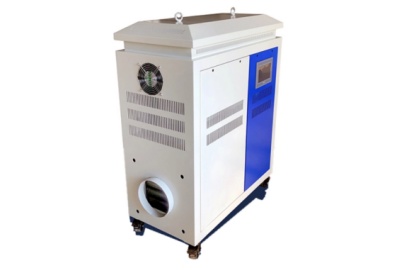
Induction hot air generators are typically designed to operate quietly. However, when internal components become damaged or misaligned, they can produce unwanted noise and vibrations, which can be distracting or even disruptive.
Cause:
· Loose components: Loose mounting hardware or internal components can lead to rattling or vibration during operation.
· Faulty motor bearings: Damaged motor bearings can cause noise, and in some cases, the motor may seize.
· Imbalance in the fan or rotor assembly: An imbalanced fan or rotor can create vibrations that affect the system's smooth operation.
Solution:
· Tighten loose components: Periodically check for loose hardware and tighten any parts that may cause noise or vibrations.
· Inspect motor bearings: Check the motor bearings for wear or damage and replace them if necessary to ensure smooth operation.
· Balance fan and rotor assemblies: Regularly check the fan or rotor assembly for balance and adjust as needed to reduce vibrations and noise.
Power supply problems can cause significant disruptions in the operation of an induction hot air generator, leading to either partial or complete system failure.
Cause:
· Insufficient power supply: The generator may not be receiving the required amount of power, causing it to operate erratically or shut down.
· Poor electrical connections: Loose or damaged connections can prevent the generator from receiving stable power.
· Overloaded circuits: Overloading the power circuits can cause overheating and failure of electrical components.
Solution:
· Verify power supply specifications: Ensure that the power supply matches the generator’s requirements for voltage and current.
· Check electrical connections: Inspect all electrical connections for tightness and integrity to prevent power disruptions.
· Avoid overloading circuits: Ensure the electrical circuits used by the generator are not overloaded and are capable of handling the generator's power requirements.
Induction hot air generators are built to last, but certain operational issues or improper maintenance can cause components to wear out more quickly than expected, leading to higher replacement costs.
Cause:
· Overuse without proper maintenance: Running the generator without regular cleaning and inspections can lead to premature wear.
· Exposure to extreme conditions: Harsh environments with high humidity, dust, or moisture can accelerate component degradation.
· Incorrect operation: Operating the generator outside of its recommended parameters can cause excessive stress on internal components.
Solution:
· Follow maintenance schedules: Regularly clean the system and replace worn parts according to the manufacturer’s maintenance schedule.
· Operate within recommended limits: Ensure that the generator is used according to the manufacturer’s guidelines and avoid overloading the system.
· Protect from environmental damage: Store and operate the generator in a controlled environment to reduce the impact of moisture, dust, and other environmental factors.
To keep your induction hot air generator in optimal condition, implement regular maintenance practices. Below is a suggested maintenance schedule:
Maintenance Task | Frequency | Benefits |
Clean filters and fans | Every 1-2 weeks | Prevent overheating and maintain airflow |
Inspect temperature sensors | Every 6 months | Ensure accurate and consistent heating |
Check and replace worn parts | Annually | Prevent electrical failures and prolong system life |
Lubricate motors and bearings | Every 6 months | Reduce noise and vibration |
Test power supply and wiring | Quarterly | Prevent electrical issues and ensure safe operation |
Regular maintenance can save time and reduce the likelihood of costly repairs, ensuring that your induction hot air generator continues to function efficiently for many years.
While induction hot air generators are incredibly efficient and versatile, they are not immune to common operational issues. By understanding these problems and taking the necessary steps to address them, you can maintain a reliable and efficient heating system that supports your production process. At Guangdong Jiangxin Electronic Technology Co., Ltd., we are committed to providing our customers with high-quality hot air generators and expert support to ensure optimal performance. If you need assistance with troubleshooting or upgrading your system, feel free to contact us for more information.
Overheating is one of the most common issues, often caused by inadequate ventilation, dirty filters, or malfunctioning fans.
To ensure consistent heating, check temperature sensors, maintain proper airflow, and regularly inspect the heating elements for wear and tear.
Noise or vibration may indicate loose components or faulty fan blades. Tighten loose parts and inspect the motor and fan assembly for any damage.
Implement regular maintenance, clean filters, lubricate moving parts, and ensure the generator is operated within the recommended parameters.


