
Please Choose Your Language
Views: 0 Author: Site Editor Publish Time: 2025-12-04 Origin: Site


Maintaining the peak performance and longevity of your induction steam generator is crucial for achieving optimal steam output, ensuring energy efficiency, and reducing maintenance costs over time. While purchasing an induction steam generator is a significant step toward improving operational efficiency, proper maintenance and regular care are key to ensuring that your system continues to perform at its best. In this article, we will explore the essential maintenance practices that can help keep your electric steam generator running smoothly and efficiently for years to come.
Even the most high-efficiency systems, like induction steam generators, require regular monitoring and maintenance to perform at their peak. Without proper care, any steam generation system, no matter how advanced, can suffer from reduced efficiency, deteriorating steam quality, and a shorter operational lifespan.
Just as a car needs regular servicing to keep running smoothly, induction steam generators also require routine checks to ensure their components are functioning properly. Monitoring water quality, maintaining a clean system, and keeping an eye on performance metrics such as steam pressure and temperature are all essential for long-term success. Neglecting these factors can result in various issues, from reduced energy efficiency to catastrophic failures.
Without regular maintenance, steam generators may experience reduced efficiency, poor steam quality, and eventually breakdowns. In some cases, it could even lead to safety hazards. Over time, sediment buildup or water contamination can compromise the system’s functionality, requiring more frequent repairs or even replacement. Proper maintenance ensures that the system operates as efficiently as possible, minimizing downtime and extending the lifespan of the generator.
To ensure optimal performance and extend the life of your induction steam generator, several maintenance practices should be followed. Here are some best practices that can help you achieve the best results from your system:
Water quality is one of the most important factors influencing the performance of induction steam generators. Water impurities, such as high hardness, minerals, or suspended particles, can lead to scaling, clogging, and reduced heat transfer efficiency. Proper water treatment is essential to keep the system running smoothly and ensure efficient steam generation. Installing water softeners or filters, and conducting regular water quality checks, will help mitigate these issues and prevent scale formation in the system.
Induction steam generators have fewer moving parts than traditional boilers, which helps reduce maintenance requirements. However, it’s still important to inspect critical components like the induction coils, heating elements, water pumps, and seals. These parts can wear out over time due to frequent use or exposure to high temperatures. Periodic inspections allow for the timely replacement of worn-out components, preventing malfunctions that could lead to more significant issues.
One of the key benefits of induction steam generators is their ability to produce consistent, reliable steam. However, to maintain this level of performance, it’s important to monitor key parameters such as steam pressure, temperature, and output. Keeping these parameters within the specified range ensures that the system is functioning optimally and prevents overheating, overloading, or underperformance. Use monitoring devices to keep track of these variables and perform adjustments as needed.
Induction steam generators are designed for quick start-up and efficient operation, making them ideal for industries with fluctuating steam demands. To maximize energy savings and prolong the system’s lifespan, avoid unnecessary idle runs. Turn the system on and off only when needed, and set operational cycles that align with steam demand. Reducing idle time ensures that the system is operating efficiently without wasting energy or increasing wear and tear on components.
Creating a regular maintenance schedule is crucial for ensuring the longevity of your induction steam generator. Set up intervals for inspecting and cleaning components, checking water quality, and replacing any worn-out parts. Keeping a maintenance log allows you to track performance, monitor issues over time, and identify patterns that could indicate underlying problems. Documenting these activities ensures a proactive approach to maintaining the system’s health and helps prevent costly repairs down the line.
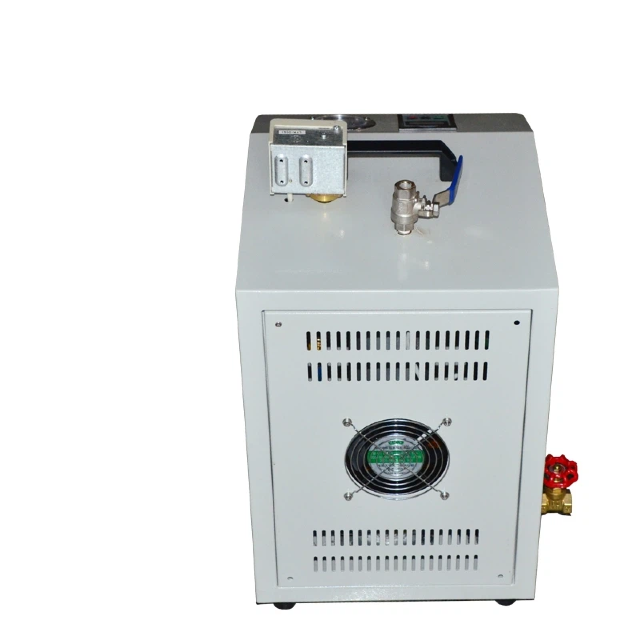
Even with proper care, issues can still arise with your induction steam generator. Below are some common problems that may occur, along with tips on how to troubleshoot and resolve them.
If the water treatment is insufficient, mineral deposits can accumulate inside the system, reducing heat transfer efficiency and leading to poor steam production. This can also damage internal components like the induction coils. To prevent scaling, ensure that the water quality is regularly tested and treated appropriately. Installing water softeners and descaling agents can help mitigate this issue.
Over time, the induction coils or electrical components of the steam generator can wear out due to frequent use or excessive heating. This wear can cause uneven heating or complete failure of the system. To prevent this, inspect these parts regularly and replace them when they show signs of wear. Early intervention will help maintain consistent steam production and prevent more expensive repairs in the future.
If your induction steam generator is equipped with automatic control systems, sensor drift or failure could result in inaccurate readings of pressure or temperature, leading to abnormal operations. If the system is malfunctioning, check the sensors and control panels for any faults. Periodically recalibrate the system to ensure that it remains accurate and efficient.
Leaks in the system can lead to loss of pressure, steam inefficiency, and potential damage to other components. Inspect seals, valves, and other connections regularly to ensure there are no leaks. If a leak is detected, repair or replace the affected parts immediately to prevent further issues and maintain safe operations.
JONSON’s induction steam generators are designed with user-friendly maintenance in mind. The electromagnetic induction heating process reduces the tendency for scaling, as the heating is uniform, and the water is magnetized, which makes it less prone to the formation of scale deposits. This feature significantly reduces the need for frequent cleaning and maintenance.
The compact and modular design of JONSON's steam generators simplifies both installation and ongoing maintenance. Their straightforward design allows for easier access to critical components, making inspections and replacements quicker and more convenient. Additionally, the integration of modern control systems, such as automatic temperature control, pressure monitoring, and water quality sensors, reduces the likelihood of human error and ensures that the system operates efficiently at all times.
To ensure the continued performance and reliability of your induction steam generator, consider adopting the following best practices:
Based on the specific use case, establish maintenance intervals for regular checks, cleaning, and water treatment. For industries with higher steam demand, more frequent inspections may be necessary, while industries with intermittent use can follow less frequent schedules.
Consistently monitor key water parameters such as hardness, pH levels, and the presence of impurities. Use water treatment systems to ensure that the water remains within optimal conditions for the induction heating process.
Avoid rapid or frequent start-up and shut-down cycles, which can stress the system and lead to premature wear. Ensure that the system is only used when necessary, and always operate it according to its designed cycles.
For critical components such as coils, seals, and sensors, keep spare parts on hand to reduce downtime in the event of failure. Having these parts readily available can help keep your system operational without long delays.
While induction steam generators offer superior performance and energy efficiency, their longevity and effectiveness depend on proper maintenance and care. By following the best practices outlined in this article, businesses can ensure that their steam generators operate at peak efficiency, saving energy and reducing operational costs. With regular inspections, proper water treatment, and adherence to maintenance schedules, you can enjoy long-term reliability and performance from your induction steam generator.
If you have any questions or would like to learn more about how JONSON’s induction steam generators can enhance your operations, please contact us today!
How often should I perform maintenance on my induction steam generator?
It’s recommended to inspect and maintain the system regularly, depending on the usage frequency. For high-demand operations, monthly checks may be needed, while less frequent use may only require quarterly or annual maintenance.
What type of water treatment is necessary for induction steam generators?
Ensure that the water used is free from impurities and has balanced hardness and pH levels. Water softeners and filters are commonly used to prevent scale buildup and maintain system efficiency.
Can I perform maintenance on my induction steam generator myself?
While basic maintenance tasks such as cleaning and water quality checks can be done by the user, more complex tasks like replacing coils or electrical components should be handled by qualified technicians to avoid further damage.
How can I reduce the chances of scaling in my induction steam generator?
Regular water treatment, proper water quality monitoring, and the use of descaling agents are effective methods to prevent scaling and ensure optimal performance.


